

At a glance
“
”
- No standardized vendor onboarding or payment process as company experienced hypergrowth
- Fragmented workflow across multiple disconnected systems and various payment platforms
- Limited ability to track renewals or prevent duplicate software spending
- Structured and streamlined P2P process built to support 2X volume growth while maintaining team headcount
- 95% policy adoption achieved within first year of implementation
- Self-service vendor onboarding and automated renewal tracking and notifications preventing contract lapses
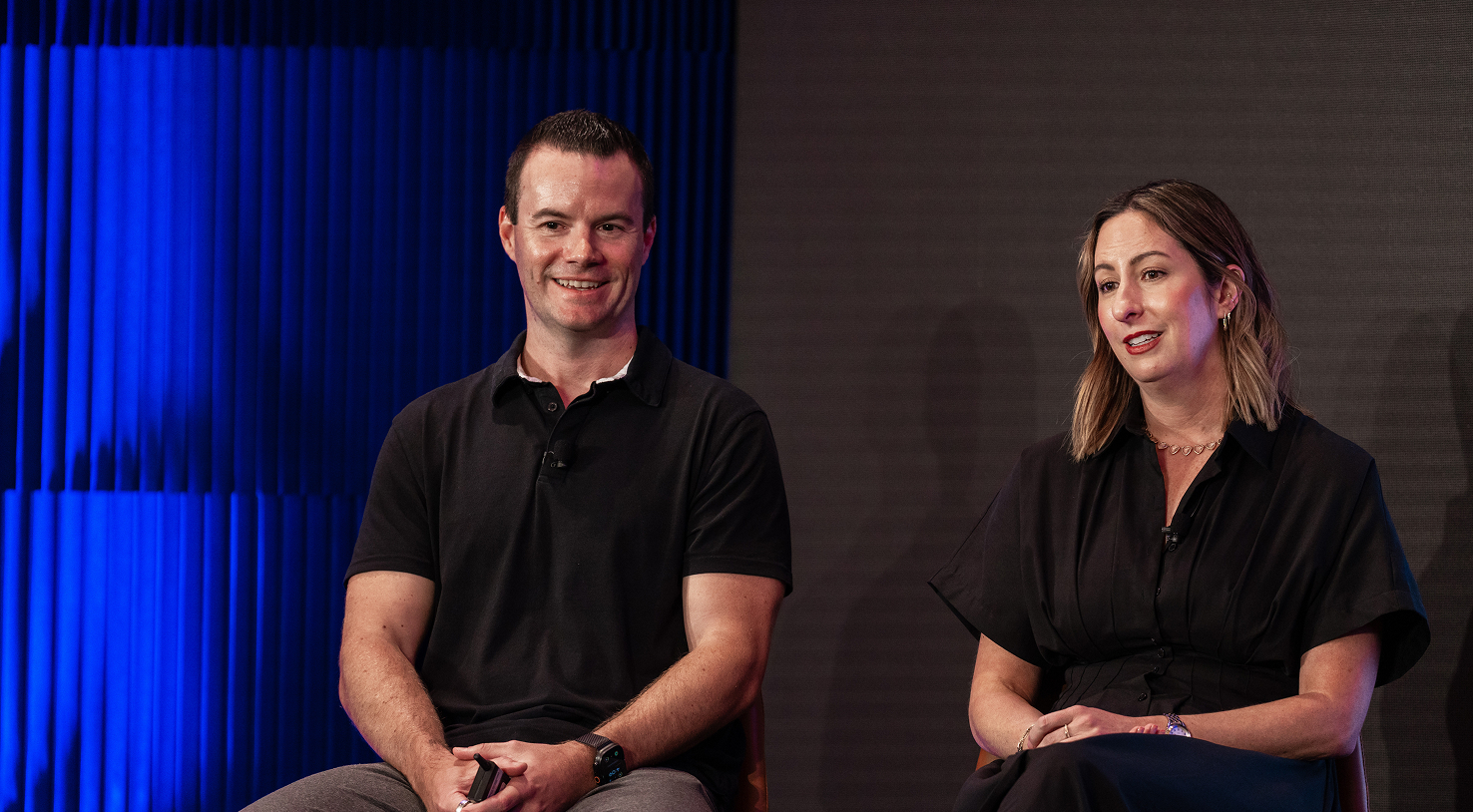
Adam Dix, Head of Finance Operations, and Katie Streu, Head of Procurement at Anthropic, recently spoke at Zip's AI Summit about transforming procurement operations while scaling one of the world's leading AI companies.
Scaling through hypergrowth
Over 18 months, Anthropic grew headcount by more than 5x while rapidly expanding internationally. During this explosive growth, their procurement team built everything from scratch: establishing policies, moving from corporate cards to a full procure-to-pay process in Zip, and creating operational frameworks that could support unprecedented scaling.
The AI maturity framework
Anthropic developed a four-level framework for integrating Claude, their AI assistant, into finance and procurement operations:
Claude the Consultant provides strategic advisory and problem solving, helping with FinOps advice, new hire onboarding, and presentation preparation.
Claude the Teammate creates outputs like policies, SOPs, and how-to guides. The team uses Claude for vendor pricing negotiations, drafting emails, calculating savings scenarios, and creating executive summaries.
Claude the Analyst delivers real-time insights and analysis. The team uses Claude to generate procure-to-pay metrics and is advancing to Claude Code to transform monthly metrics into auto-populated slide decks.
Claude the Agent automates responses and integrations. Through Model Context Protocol (MCP) integrations with Asana, Slack, and Google, Claude takes meeting notes, creates project plans, and automatically pushes them into project management systems.
The prioritization flywheel
Rather than chasing every AI use case, Anthropic's team follows a disciplined three-stage framework:
Efficiency comes first. By using AI to handle documentation, policies, training materials, and presentations, the team frees up capacity, addressing the challenge where 20% of work consumes 80% of time.
Innovation emerges from efficiency. When teams aren't drowning in tactical tasks, they gain space for creative and strategic thinking, allowing procurement to drive new initiatives rather than simply responding to requests.
Transformation results from sustained innovation. As the team reimagines legacy processes, they generate fresh efficiency gains they continue to evaluate and evolve.
This approach has become embedded in Anthropic's culture, with the finance operations team establishing a "Claudification OKR" to systematically identify and implement AI use cases.
The results
Despite hypergrowth, Anthropic achieved 95% policy adoption within the first year. Procure-to-pay volume more than doubled while procurement headcount remained flat. The team successfully transitioned from corporate cards to a structured P2P process in Zip, establishing the operational foundation needed for long-term success.
Looking forward, Anthropic sees AI transforming procurement through enhanced adoption (AI assistants guiding users through processes in real-time), automation (eliminating manual touchpoints), and assurance (AI reviewing invoices against contracts before approvers see them).
By partnering with Zip and building on their AI maturity framework, Anthropic has proven that even during hypergrowth, procurement can evolve from a necessary function into a strategic enabler.
.svg)
.svg)
.svg)
.svg)