
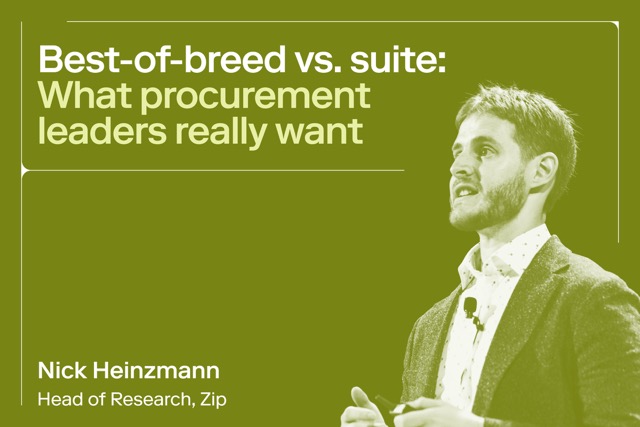
Best-of-breed vs. suite: What procurement leaders really want
Why 70% of companies are already building hybrid procurement stacks.

For any enterprise software market, since the beginning of time, this debate has always existed: Should we go with one giant monolith platform provider that offers everything under one roof (theoretically connecting all the data points, with all the apps working together) or do we go with specialists who know their subdomain and process area perfectly, but may not integrate holistically with the larger process?
If you've been following procurement software for more than a few years, you've lived through multiple cycles of this argument. And at this point it's almost a little nauseating.
The pendulum that won't stop swinging
In procurement specifically, we've gone through this era where everything started in the prehistoric age of procurement technology as a single app.
You had a sourcing app. An e-procurement app. A CLM. Then they joined together and formed the first suites. But the suites weren't sufficient, so we got another wave of best-of-breed. Then those started getting wrapped into their own marketplaces and ecosystems. Then came another wave of different kinds of point solutions: tail spend, category management, contract analytics. You know the story.
Back and forth. Suite. Best-of-breed. Suite again. Best-of-breed again.
Many markets actually move on a pendulum between these two areas, and it's almost predictable at this point. But if you really step back, this dynamic exists because it's impossible for any vendor to do everything well. That’s just fundamental.
The Jack-of-All-Trades problem
Even the big, best-known suites in procurement, if you look at their actual technical capabilities, are usually strongest at the thing they started with first. The first app they ever built is usually still the strongest general area of the suite. Where they expand, it’s usually weaker.
I point this out not to criticize any particular vendor, but to name something that's simply true: it's jack of all trades, master of none. And this isn't a moral failing on any vendor's part. It's just the reality of building software at scale.
At the same time, to make any of this work on a software level, on a business process level, you need a common understanding and a common language. That's about your data models. It's about your process modeling. It's about how users experience and navigate those two things in the context of their jobs.
This is where the tension lives. You can't escape it by picking one extreme or the other.
What people actually want
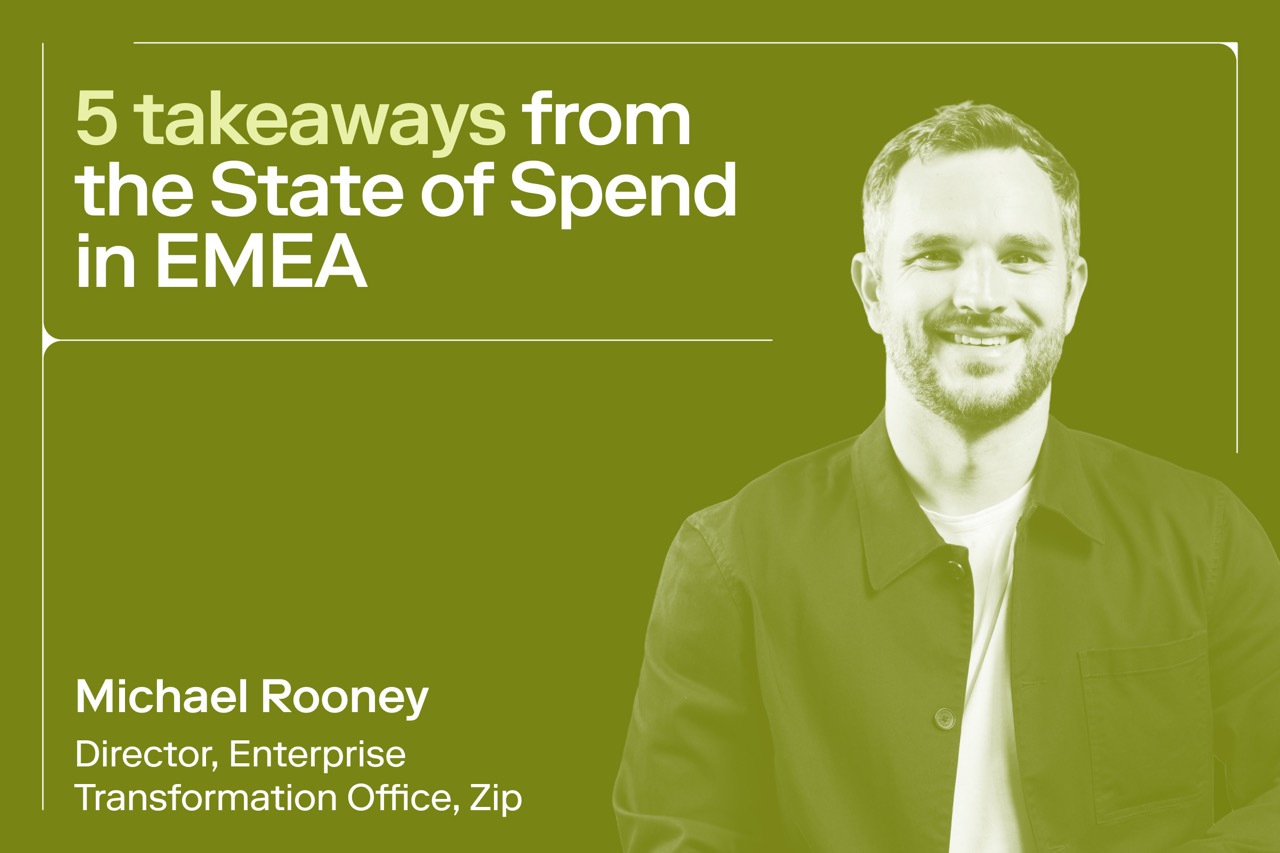
This brings me to what we found in our State of Spend research, where we surveyed 1,030 global leaders about how they're managing spend, their priorities, and how AI is affecting their business. The hybrid model emerged as the most desired scenario. People don't want the extremes, they want the best of both worlds.
Look, people want to have their cake and eat it too. And can you blame them? I want a single centralized data model. I want one easy, intuitive user experience. I want connectivity. But then I also want access to specialization where I can go deep in the places I need to go deep.
The data backs this up. When we asked leaders how they would structure their procurement stack if they had full autonomy and budget, most described some form of hybrid or curated best-of-breed approach.
Fully single-vendor suites were seen as stable but uninspiring. Homegrown solutions ranked lowest, (correctly) recognized as expensive and risky. The ultimate sentiment: organizations want flexibility and best-in-class capabilities without giving up the stability of an anchor platform.
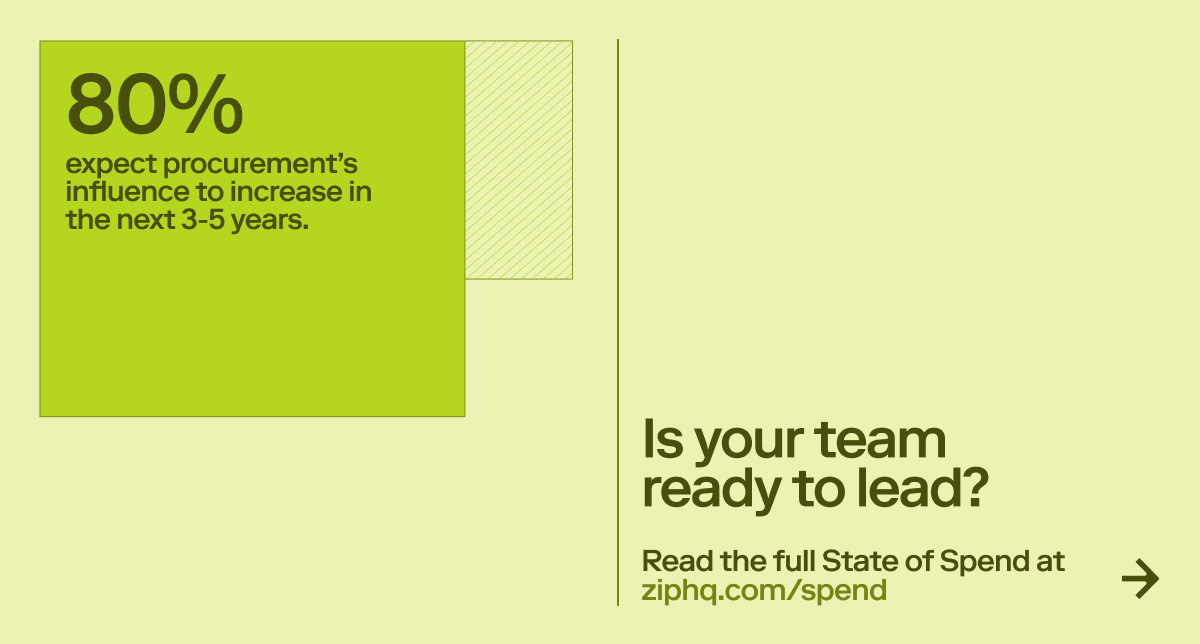
And the reality on the ground reflects this too. Only 21% of organizations today rely on a single vendor solution (ERP or suite). The vast majority, 45% use hybrid approaches, with another 26% running best-of-breed ecosystems. That means more than 70% of companies are already juggling multiple tools and integrations.
The infrastructure for "both"
This is where the whole concept of the orchestration market has been popularized, not only in procurement but in other areas too. The question then becomes, how do I get the benefits of process depth and expertise while also maintaining the coherence of a suite model?
When we talk about hybrid, people are basically saying "I want both." Orchestration offers the infrastructure to actually deliver that.
Think of it on three levels:
- Data orchestration: the data needs to be in one normalized language that makes sense to everyone.
- System orchestration: all the different sources and systems of that data need to be connected so you can centralize the process and start making sense of it.
- Process orchestration: the workflow across all systems needs to flow seamlessly with no disjointed experience.
Our State of Spend research confirmed that intake and orchestration emerged as the second-highest technology investment priority for the next 12 months, ahead of risk, CLM, supplier performance management, and others. Leaders have moved beyond simply asking, "What's happening with our spend?" The key question now is "how do we connect it all, so we can drive better visibility of what’s happening?"
A true way forward
If we want to build the end state that actually works (business-friendly, highly cross-functional, and fully automated) we need an orchestrated system built on a hybrid model. Or maybe an orchestrated best-of-breed model if you're very advanced.
But ultimately, what we've been talking about forever in software, in business, is how to reconcile these two extremes. They're all necessary ingredients for success.
Orchestration promises to be that missing link. It fixes this problem. Instead of doing this nauseating swing back and forth in the pendulum, we finally have a true way forward where we can focus on delivering rather than making the best of an uneven situation.
The suite vs. best-of-breed debate was always the wrong question. The right question is: how do we build the connective tissue that lets us have both?
For more insights on how procurement leaders are thinking about technology strategy, AI adoption, and the future of spend management, download the full State of Spend report.







%20Large.jpeg)


.webp)


AI procurement orchestration, from intake to pay
Enter your business email to keep reading
