
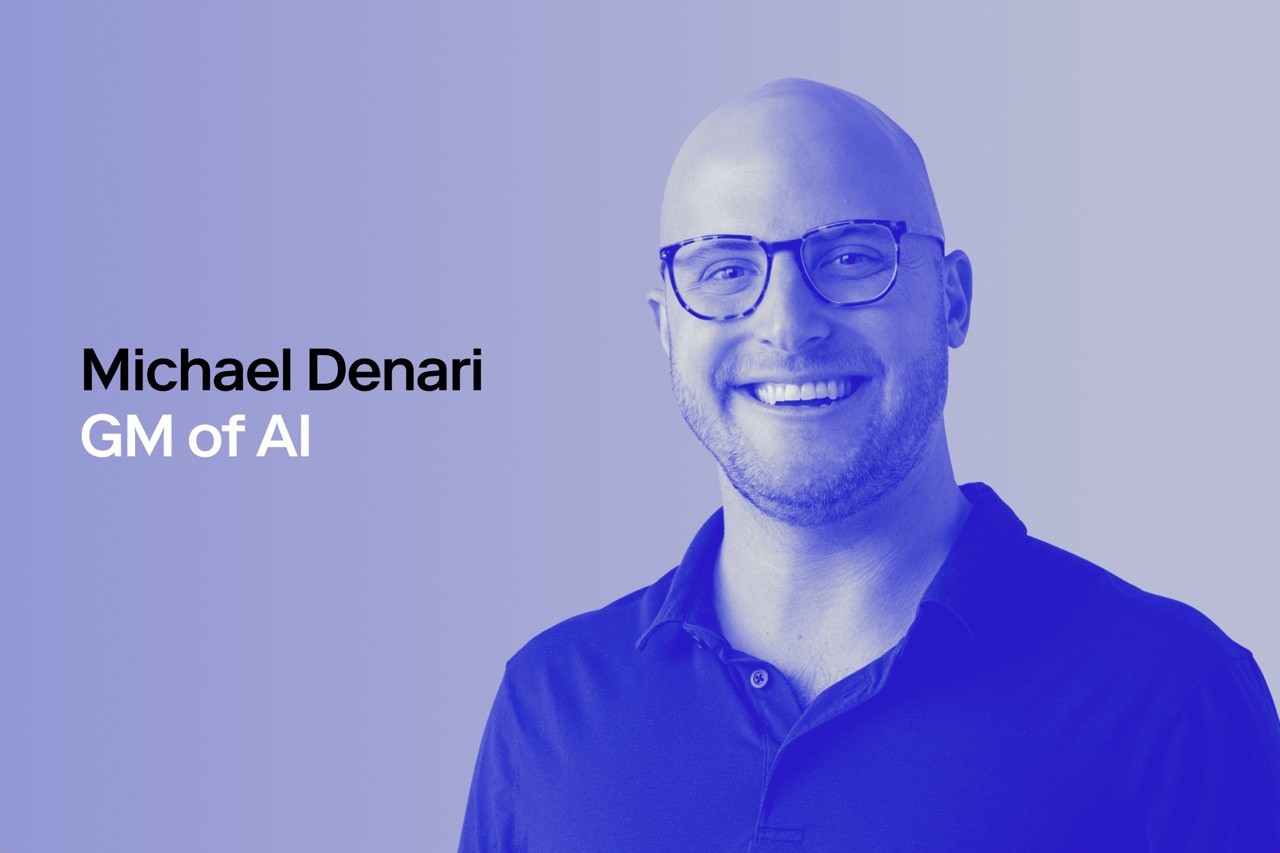
Introducing Michael Denari, Zip’s new GM of AI
The architect of Canva's AI transformation is now leading AI initiatives at Zip.

Five years ago I made a bet on a startup with a grand vision, bringing Zip into Canva as their first enterprise customer for procurement orchestration. Today, I’m joining Zip as their GM of AI.
A lot can happen in five years. Zip successfully scaled alongside Canva's international growth from 1,000 to 5,000+ global employees, expanding well beyond procurement orchestration into procure-to-pay, end-to-end sourcing, virtual cards, and most recently AI agents.
Meanwhile, I went from Head of Global Spend into building and leading Canva's Information Technology organization, a team of 110 today. Over nearly five years, that meant leading implementations across our internal technology stack, building compliance for critical certifications like SOX, and driving productivity improvements across the company.
But the real source of energy these past three years has been AI.
At Canva, we had incredible leadership support that enabled us to invest heavily in industry-leading tools connected deeply to our enterprise data with effective governance.
We drove AI projects that rethought core business processes, supercharging internal support deflection across the company, accelerating our GTM motion by giving reps the exact information they need for every sales call, and making performance reviews significantly less painful for managers and employees.
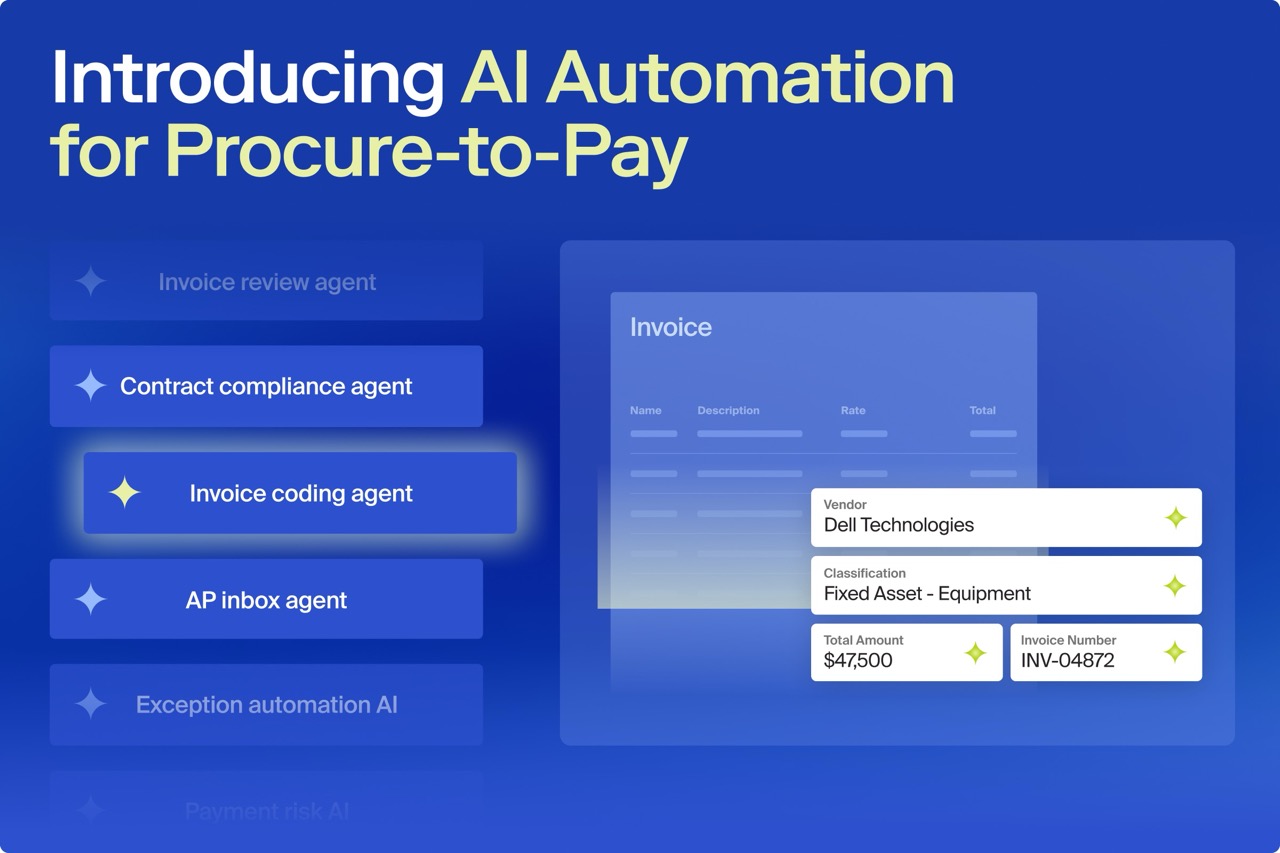
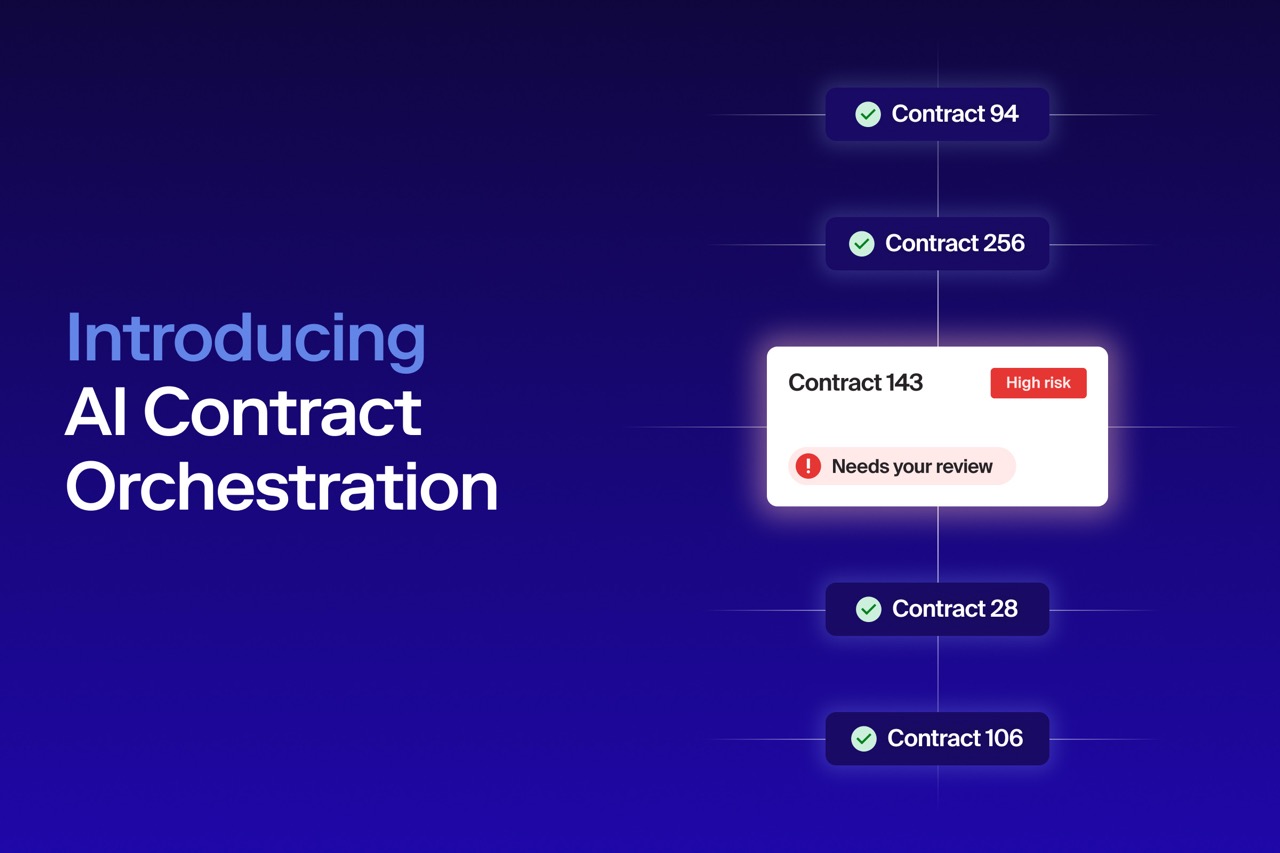
And we streamlined procurement with autonomous compliance agents in Zip. I truly learned firsthand the challenges and accelerators for internal business teams, IT, and leaders, and where AI fits into it all.
Joining Zip feels a bit like a homecoming back to my roots of procurement and it was compelling for a few key reasons.
Why AI in procurement delivers the highest ROI in business
When I look across enterprise functions competing for AI investment, procurement stands out as the highest-ROI opportunity that most organizations have consistently underestimated.
The case comes down to four properties that procurement uniquely has:
AI for complex procurement workflows
Procurement is a multi-stakeholder maze, as Legal, IT, Security, Finance all have a seat at the table on nearly every purchase decision. That friction is real, it’s expensive, and it’s exactly what AI agents are built to navigate.
Procurement as the front door to Finance and IT
Procurement is high stakes and highly visible to the most critical employees in your organization. When it’s slow or painful, everyone feels it. When it works well, it’s a genuine competitive advantage in how fast teams can move.
Why procurement is ideal for AI agents
The true definition of an enterprise agent is the ability to execute autonomously within guardrails of deterministic rules. Procurement decisions are process-heavy and rule-based, from security review triggers to legal sign-off thresholds. This is the sweet spot for Zip: AI agents that possess the autonomy to navigate complex workflows while being strictly bound to your organization's specific, non-negotiable business logic.
Structured and unstructured procurement data
Procurement owns the intersection of both structured data (spend, POs, vendor records) and unstructured context (intake requests, contract language, risk assessments, vendor communications). Most functions have one or the other. Procurement has both, and that combination is what makes AI genuinely useful here, not just pattern-matching on historical records.
Procurement is ready to be transformed by AI.
Why Zip’s architecture is (and always has been) built for AI
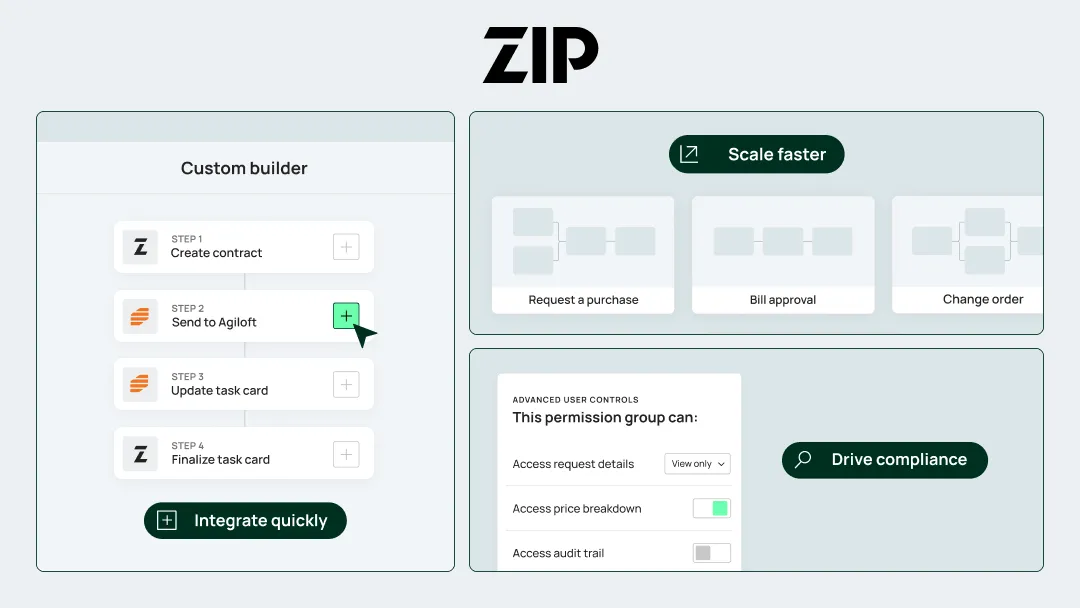
For AI to work reliably in the enterprise, you need low-code workflow builders, a robust API platform, integration across disparate data sources, and an orchestration layer to connect it all. That's the exact product Zip has been building for five years.
When Zip founded the intake and orchestration category, we were both solving a persistent procurement problem and laying the foundation for what makes AI reliable in production: workflow flexibility, deep integrations, and embedded governance controls.
And they were early to understand this. Consider their timeline: Dynamic workflows with 25+ integrations by 2021; Procure-to-Pay by 2022; Sourcing in 2023; the Integration Ecosystem and Zip AI Lab in 2024; Risk Orchestration and AI Agents in 2025.
Each layer compounded into something larger than any single feature, a platform architected for exactly the kind of flexibility and control AI demands. That's why, unlike other platforms, AI in Zip isn’t a ‘bolt-on’ but deeply embedded within the platform, ready to deliver real outcomes from day one.
Enterprise AI platforms vs. purpose-built procurement AI
At Canva, we rolled out several of the leading enterprise-wide agent builders across the business. These are genuinely valuable tools, and IT teams should absolutely use them for many use cases as they’ll continue to grow in adoption.
But I watched closely where they hit their limits. When I compare them to what a purpose-built intelligent systems can deliver for procurement specifically, three gaps consistently emerge:
The 'Data and Context Gap'
General enterprise platforms lack the procurement-specific data layer required for AI grounding. Only providing structured transaction data, while AI needs unstructured intent (i.e. what someone is trying to accomplish, against what constraints) and domain grounding.
Zip’s platform processes have saved more than $6B for customers, and uses licensed data sources across pricing, risk, compliance, and legal to embed its AI deeply within specific procurement workflows, allowing it to understand nuances like required security reviews, non-standard contract clauses, or likelihood of spend request rejection based on historical patterns.
The 'Silo Gap'
Point solutions and enterprise AI platforms fragment the data layer. The intake system doesn’t talk to the contract system. The risk assessment doesn’t know what sourcing negotiated. Zip owns substantial end-to-end, high-impact workflows across the full finance motion from sourcing to procurement to accounts payable. While many startups in the procurement space apply AI to a slice of the end-to-end process, Zip uses AI agents built on the full lifecycle to learn from every step.
The 'Deployment Gap'
Enterprise-wide agentic platforms require significant, high-effort building of integrations and APIs to connect to existing systems. In contrast, Zip’s native AI functionality is built directly into the platform, is easy to configure via no-code workflows, and is delivered with specialized in-house resources from Zip, leading to unmatched time-to-value.
There will continue to be a widening differentiation in Zip’s ability to drive impact for customers precisely because AI implemented within the platform has a depth of workflow data, governance context, and domain grounding that no general-purpose tool can replicate through configuration alone.
What’s next for AI at Zip
I’m joining Zip to make sure that when a customer deploys our AI, something real changes in how their business operates. That means being close to customers throughout their AI journey, working tightly with Zip’s product and engineering teams to close the loop between customer reality and what we build, and setting a high bar for what “deployed” actually means: real changes in how the business operates, not just another license purchased.
If you’re a Procurement, IT, or Finance leader interested to hear more about how Zip is driving transformation with AI, I’d love to connect.




.jpg)





.webp)

%20(1).webp)


.avif)
%20(1).avif)


.avif)


.webp)


AI procurement orchestration, from intake to pay
Enter your business email to keep reading
